Why Behavioural Dog Training Is Essential for a Happy Pet and Owner in Bradford
Does your dog ever pull on the leash, bark excessively, or ignore your commands? These behavioural can be frustrating, but they don’t have to be permanent. Behavioural dog training is the key to improving your pet’s habits and strengthening the bond between you and your furry friend.
In Bradford, where dogs are part of so many families, behavioural training helps create a happier home environment and ensures your pet fits seamlessly into the community.
In this blog, we’ll explain why behavioural dog training is essential, how it benefits both you and your dog, and why it’s especially important for pet owners in Bradford.
With guidance from Yorkshire’s leading dog training experts, you’ll gain the knowledge and tools needed to nurture a well-behaved, confident canine companion.
Understanding Dog Behaviour
Dogs learn through consistent patterns and immediate consequences. Your pet’s behaviour comes from a mix of instinct, learned responses, and environmental factors. When you reward a behaviour – whether intentionally or not – your dog will repeat it.
The Importance of Leadership
A common misconception is that showering dogs with unconditional love means having no boundaries. This approach creates confusion and anxiety in dogs, who naturally seek structure and leadership. Your actions directly shape your dog’s behaviour:
Giving attention to jumping = reinforcing the behaviour
Letting them pull on walks = teaching them to lead
Allowing furniture access without permission = undermining authority
Dogs thrive under clear, consistent leadership. Without proper authority, they often develop:
- Anxiety-driven behaviours
- Resource guarding
- Selective listening
- Territorial aggression
Balancing Affection with Structure
The key lies in balancing affection with structure. Your dog needs both love and boundaries to feel secure. Setting clear rules and expectations helps them understand their place in your household’s social structure, creating a confident and well-adjusted pet.
Preventing Behavioural Issues Through Early Training and Socialisation
Early training and socialisation create the foundation for a well-adjusted, confident dog. The critical socialization period – between 3 and 16 weeks – shapes your puppy’s future responses to the world around them.
Key Training Windows:
- 8-16 weeks: Prime time for basic commands and house training
- 4-6 months: Essential for leash manners and social skills
- 6-12 months: Crucial for impulse control and advanced commands
A properly socialised puppy learns to handle new experiences with confidence. You’ll want to expose your puppy to:
- Different surfaces (grass, concrete, metal)
- Various sounds (traffic, appliances, music)
- Multiple environments (parks, streets, homes)
- Diverse people (children, elderly, different ethnicities)
- Other animals (dogs, cats, livestock)
Common Issues Early Training Prevents:
- Fear-based aggression
- Resource guarding
- Separation anxiety
- Leash reactivity
- Excessive barking
Puppies who miss these critical learning periods often develop defensive behaviours and fear-based reactions. A scared puppy can grow into an anxious adult dog, leading to challenging behaviours that can become even more apparent with age.
Regular positive experiences during these formative months help your puppy build trust and confidence. You’ll create a strong foundation for future training success by incorporating structured play, gentle handling exercises, and controlled social interactions into your daily routine.
A Holistic Approach to Training: Meeting Your Dog’s Physical and Emotional Needs
A holistic approach to dog training recognises your pet as a complete being with interconnected physical, mental, and emotional needs. This comprehensive training method creates lasting behavioural changes by addressing all aspects of your dog’s well-being.
Physical Exercise Requirements:
- Daily walks tailored to your dog’s energy levels
- Interactive play sessions
- Breed-specific activities that engage natural instincts
- Regular exercise routines to prevent destructive behaviours
Mental Stimulation Activities:
- Puzzle toys and food-dispensing games
- Scent work exercises
- Training sessions broken into short, engaging intervals
- New environments and controlled challenges
Creating a supportive environment plays a crucial role in holistic training success. Your home setup should include:
- Designated rest areas away from high-traffic zones
- Safe spaces for retreat during stressful situations
- Appropriate chew toys and enrichment items
- Clear boundaries for restricted areas
The Big Dog Fellas training approach incorporates these elements through a necessary well-balanced methodology. Training sessions become an enjoyable experience, without any confusion for dogs or owners. This method helps your dog understand desired behaviours while building confidence and trust.
A structured daily routine balances physical activity, mental challenges, and rest periods. This balance reduces anxiety, prevents boredom-related issues, and creates a stable foundation for learning new behaviours. Your dog learns to navigate their environment with confidence while maintaining emotional stability.
Bonding Activities That Enhance the Pet-Owner Relationship Through Training
Training sessions create powerful bonding moments between you and your dog. These shared experiences build trust, understanding, and mutual respect – essential elements of a strong pet-owner relationship.
Effective Bonding Activities:
- Hide and Seek Games: Place treats around the house and guide your dog to find them. This activity strengthens recall commands while creating excitement and fun
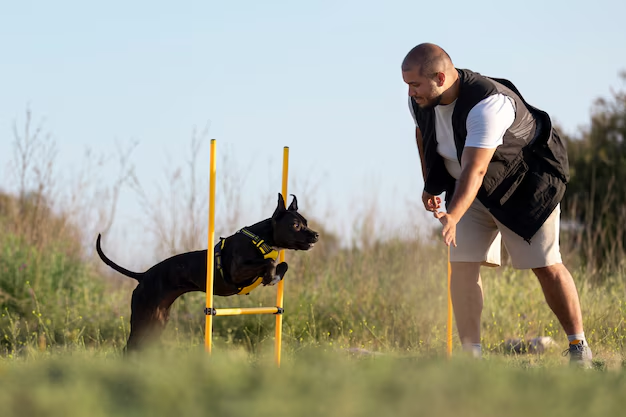
- Agility Training: Set up simple obstacle courses in your backyard using household items. Your dog learns to follow your guidance while staying physically active
- Trick Training: Teaching new tricks stimulates your dog’s mind and creates opportunities for praise and rewards
- Interactive Puzzle Games: Use treat-dispensing toys and puzzles to engage your dog’s problem-solving abilities
Regular training sessions provide vital mental stimulation for your dog. This mental exercise:
- Reduces destructive behaviours
- Prevents boredom and anxiety
- Builds confidence in shy or nervous dogs
- Creates a calmer, more balanced pet
Incorporating play into training:
- Use favourite toys as rewards
- Practice commands during fetch games
- Turn daily walks into training opportunities
- Reward calm behaviour
These activities create a harmonious environment where both you and your dog learn to communicate effectively. The bond formed through consistent training extends beyond the training sessions, influencing every aspect of your daily interactions.
Long-Term Benefits of Behavioural Training
A well-trained dog opens doors to countless social opportunities in Bradford’s vibrant community. You’ll experience stress-free walks in parks like Peel Park or Harold Park, where your dog interacts confidently with other pets. Family gatherings become enjoyable events rather than sources of anxiety.
Social Benefits for Your Dog:
- Comfortable interactions at local dog-friendly cafes
- Relaxed behaviour during family visits
- Positive experiences at Bradford’s pet events
- Calm demeanour at veterinary visits
Family Activities Made Better:
- Peaceful picnics at Lister Park
- Enjoyable family camping trips
- Stress-free holiday celebrations
- Safe interactions with children and guests
Behavioural training creates a dog who’s a joy to include in daily activities. Your trained companion becomes a welcomed member at social events, enhancing your family’s lifestyle and social connections within the Bradford community.
Conclusion
A well-trained dog brings joy, harmony, and endless possibilities to your life in Bradford. The journey of behavioural training transforms not just your pet’s behaviour but enriches your entire family’s daily experiences.
Big Dog Fellas stands ready to guide you through this transformative process. Their expertise as Yorkshire’s top dog communicator has helped countless pets and owners build lasting, meaningful relationships.
Your dog deserves the best chance at a balanced, fulfilling life. Professional training in Bradford opens doors to new adventures, stronger bonds, and a lifetime of cherished memories together.
Frequently Asked Questions
Why is behavioural dog training essential for pet owners in Bradford?
Behavioural dog training is crucial for ensuring a happy and harmonious relationship between pets and their owners. It helps to establish authority, promotes good manners, and prevents potential behavioural issues, leading to a more enjoyable experience for both the pet and the owner.
How do dogs learn behaviours, and what impact do owner actions have?
Dogs learn behaviours through repetition, reinforcement, and observation. Owner actions significantly impact their dog’s behaviour; positive reinforcement encourages good manners, while inconsistency, ignoring or not correcting can lead to undesirable habits. Establishing authority in training is essential for effective learning.
What are the benefits of early training and socialisation for dogs?
Early training and socialisation are vital during a dog’s formative periods as they help prevent fear-based reactions and other behavioural issues. Socialised dogs tend to be more adaptable in various environments, leading to better interactions with people and other animals.
What does a holistic approach to dog training involve?
A holistic approach to dog training addresses both the physical and emotional needs of the dog. This includes fun learning experiences that engage the dog’s mind, as well as managing their environment to promote positive behaviour. It emphasises building a strong bond between pet and owner.
How can bonding activities enhance the pet-owner relationship?
Bonding activities through training foster a strong connection between pets and owners by providing mental stimulation and stress reduction. Regular training sessions not only improve obedience but also create shared experiences that enhance the overall relationship.