Common Dog Behaviour Problems and How to Fix Them
Living with a dog brings immense joy, but it can also present unique challenges when it comes to their behaviour. But have you ever struggled with the furry friends’ conduct – from minor quirks to serious behavioural issues.
Your dog’s actions aren’t random; they’re often signals of underlying needs, emotions, or learned responses. Whether you’re dealing with a puppy who won’t stop chewing your favourite shoes or an adult dog showing signs of aggression, understanding these behaviours is the first step toward resolution.
This guide explores the most common dog behaviour problems that people encounter. By addressing the challenges head-on, you’ll build a stronger bond with your dog and create a more peaceful home environment.
1. Aggression in Dogs
Dog aggression can show itself in different ways, and each type needs its own way of being identified and managed. By knowing these differences, you can find better solutions for your dog’s aggressive behaviour.
Common Types of Aggression:
- Fear-based: Triggered by perceived threats
- Territorial: Protecting space or resources
- Possessive: Guarding food, toys, or people
- Social: Conflicts with other dogs
- Redirected: Aggression aimed at an unrelated target
Warning Signs to Watch:
- Raised hackles
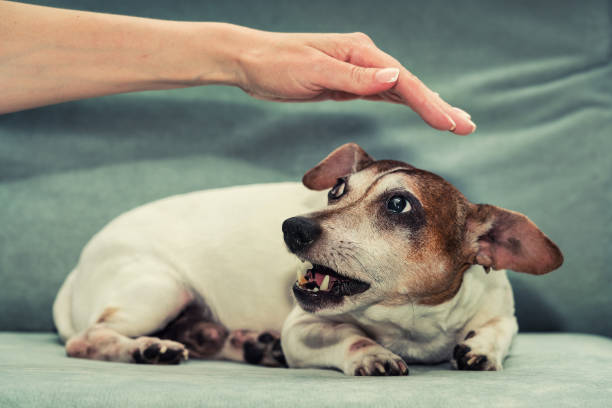
- Growling or snarling
- Showing teeth
- Rigid body posture
- Direct, intense staring
- Lunging or charging
Managing Aggressive Behaviour:
- Initially Create distance from triggers
- Use a balanced training approach
- Establish clear boundaries
- Implement muzzle training when needed
- Maintain consistent daily routines
Aggressive behaviour requires immediate professional intervention. A qualified dog behaviourist can assess your dog’s specific triggers and develop a tailored plan. Early intervention prevents escalation and protects both your dog and others from potential incidents.
2. Excessive Barking
Dogs bark for various reasons, yet excessive barking can become problematic for both pets and owners. Understanding the root cause helps address this behaviour effectively.
Common Triggers for Excessive Barking:
- Territorial defence
- Attention-seeking
- Anxiety or fear
- Boredom
- Social barking
- Medical issues
Identifying Your Dog’s Barking Pattern:
- High-pitched, repetitive barks indicate excitement or attention-seeking
- Deep, continuous barking suggests territorial behaviour
- Rapid, frantic barking points to anxiety or distress
Training Solutions: (these are very generic and more for managing, would need to seek out a professional trainer)
- Teach the “quiet” command
- Reward silence with treats and praise
- Create a designated “bark time” for controlled expression
- Use puzzle toys to redirect attention
Management Strategies: (these are very generic and more for managing, would need to seek out a professional trainer to modify and change the behaviour)
- Block visual triggers by limiting window access
- Provide adequate exercise and mental stimulation
- Establish consistent daily routines
For anxiety-related barking, desensitisation training helps reduce stress responses. Start with brief exposure to triggers at a distance, gradually increasing duration and proximity as your dog remains calm.
Professional training support can provide personalised solutions for persistent barking issues.
3. Chewing Issues
Chewing is a natural dog behaviour, but it can become problematic when directed at your furniture, shoes, or other valuable items. Dogs chew for various reasons:
- Teething: Puppies experience discomfort during teething and seek relief through chewing
- Stress relief: Dogs use chewing as a coping mechanism for anxiety
- Boredom: Lack of mental stimulation leads to destructive chewing
- Exploration: Dogs discover their environment through their mouths
You can redirect your dog’s chewing instincts with these proven strategies:
- Provide appropriate chew toys based on your dog’s age and chewing strength
- Rotate toys regularly to maintain interest
- Use puzzle toys filled with treats to encourage appropriate chewing
- Apply bitter apple spray on forbidden items
- Keep valuable items out of reach during training
Pro tip: Match the toy’s durability to your dog’s chewing style. Soft-chewers need plush toys, while power-chewers require robust rubber or nylon options.
Remember to praise your dog when they choose appropriate chew toys. This positive reinforcement helps establish good chewing habits and strengthens your bond.
4. Separation Anxiety
Separation anxiety in dogs is shown through specific distress behaviours when they are left alone. Here are the main signs to look out for in anxious dogs:
- Excessive vocalisation (howling, whining)
- Destructive behaviour near exits
- Urinating or defecating indoors
- Intense pacing or restlessness
- Excessive drooling or panting
- Escape attempts
Creating a safe and calming environment can help reduce your dog’s anxiety. Set up a designated space with the following items:
- Comfortable bedding
- Favourite toys
- Calming music
- Natural light
- A worn item of your clothing
Implement these proven techniques to build your dog’s confidence:
- Practice short departures, gradually increasing duration
- Keep departures and arrivals low-key
- Provide engaging puzzle toys before leaving
- Consider calming aids like DAP diffusers
- Exercise your dog before leaving
If you have a severe case of separation anxiety, it may be helpful to seek professional support from a qualified behaviourist who can create a personalised desensitisation plan for your dog. Many dogs respond well to systematic training combined with environmental management strategies.
5. Destructive Behaviour
Destructive behaviour in dogs often stems from insufficient physical exercise and mental stimulation. Your dog’s natural instincts require both physical activity and mental challenges to maintain a balanced state of mind.
Common Signs of Boredom-Related Destruction:
- Shredding furniture, pillows, or carpets
- Digging holes in the garden
- Scratching doors or windows
- Destroying toys excessively
- Chewing household items
Essential Daily Requirements:
- 30-60 minutes of vigorous exercise
- 2-3 training sessions
- Interactive play periods
- Mental enrichment activities
You can prevent destructive behaviour by implementing these engaging activities:
- Puzzle Toys: Hide treats in specially designed toys that challenge your dog’s problem-solving abilities
- Snuffle Mats: Encourage natural foraging behaviours
- Training Games: Teach new tricks or practice existing commands
- Rotating Toys: Keep a selection of toys and swap them regularly to maintain interest
- Scent Work: Hide treats around the house for your dog to find
Creating a structured routine with these activities helps channel your dog’s energy positively, reducing the likelihood of destructive behaviours developing.
6. Inappropriate Elimination
Inappropriate elimination in dogs can be frustrating and concerning for pet owners. Several factors contribute to this behaviour:
Medical Causes:
- Urinary tract infections
- Gastrointestinal issues
- Age-related incontinence
- Hormonal imbalances
Behavioural Triggers:
- Anxiety and stress
- Marking territory
- Incomplete house training
- Changes in routine or environment
Effective Solutions:
- Veterinary Check-up: Schedule a health assessment to rule out medical conditions. Your vet can provide targeted treatment if needed.
- Establish a Routine: Set regular feeding times, create consistent potty breaks, reward successful outdoor elimination, and clean soiled areas thoroughly with enzymatic cleaners.
- Training Techniques: Use positive reinforcement, identify and remove stress triggers, consider crate training for better control, and watch for signs your dog needs to eliminate.
For anxiety-induced elimination, create a calm environment and maintain predictable daily schedules. Some dogs benefit from calming aids or professional behavioural support to address underlying stress factors.
7. Jumping Up on People
Dogs jump on people as a natural greeting behaviour – in their world, face-to-face contact shows friendliness and excitement. Your dog might jump up to:
- Get closer to your face
- Express excitement
- Seek attention
- Show dominance in some cases
This behaviour becomes problematic when your 40kg Labrador knocks over visitors or your muddy companion ruins someone’s clothes. Here’s how to address jumping:
Teach Alternative Greetings
- Ask visitors to ignore your dog until they’re calm
- Reward your dog for sitting when meeting people
- Practice “four on the floor” – all paws must stay grounded
- Use a lead during training to maintain control
Redirect Energy
- Keep favourite toys near entrance areas
- Ask your dog to fetch or play with a toy instead of jumping
- Create distance between your dog and visitors until calm
Training Tips
- Stay consistent – everyone must follow the same rules
- Reward calm behaviour with treats and praise, and correct any jumping
- Consider professional training for persistent cases
Remember: Your dog needs time to unlearn this natural behaviour. Patience and consistency are essential for success.
8. Begging for Food
Food begging is a learned behaviour that develops when dogs receive attention or rewards during human mealtimes. Each time you give your dog food from your plate or acknowledge their begging; you reinforce this unwanted behaviour.
Breaking the begging habit:
- Establish a strict feeding schedule for your dog
- Feed your dog before your own meals
- Create a designated space for your dog during mealtimes
- Never feed table scraps
- Ignore begging completely – no eye contact, talking, or touching
Reinforcement techniques:
- Reward your dog for staying in their designated spot
- Use puzzle feeders to make mealtimes longer and more engaging
- Practice “leave it” commands
- Provide appropriate chew toys during your meals
- Remember: consistency is essential. Every family member must follow these rules to prevent begging behaviour. If one person gives in, your dog will learn that persistence pays off. With proper training and patience, you can transform mealtimes into a peaceful experience for both you and your dog.
Conclusion
Understanding and addressing common dog behaviour problems is essential for building a strong, positive relationship with your pet.
Whether it’s excessive barking, separation anxiety, aggression, or destructive chewing, most issues can be resolved with patience, consistency, and proper training techniques. A balanced training approach is necessary, regular exercise, socialisation, and seeking professional help when needed can make a significant difference in correcting unwanted behaviours.
By hiring Yorkshire’s Finest Dog Communicator, you can create a well-behaved, happy companion and a harmonious home environment.
Frequently Asked Questions
What are common types of aggression observed in dogs?
Common types of aggression in dogs include fear-based aggression, territorial aggression, and possessive aggression. Understanding the specific triggers for these aggressive behaviours is essential for effective management.
How can I reduce my dog's excessive barking?
To reduce excessive barking, it’s important to identify the underlying cause, such as anxiety or boredom. Effective strategies include balanced training methods, providing mental stimulation, and ensuring your dog has adequate exercise.
What can I do to prevent my dog from chewing destructively?
Prevent destructive chewing by providing appropriate chew toys and engaging your dog in regular physical activity. Redirect their chewing instincts towards acceptable items to help mitigate this behaviour.
What are the signs of separation anxiety in dogs?
Signs of separation anxiety may include excessive barking, destructive behaviour when left alone, and inappropriate elimination. Techniques to alleviate this condition include gradual desensitisation and creating a safe space for your dog during your absence.
How can I keep my dog mentally stimulated to prevent destructive behaviour?
To prevent destructive behaviour caused by boredom, engage your dog with interactive playtime, puzzle toys, and regular exercise. Mental stimulation is crucial for a happy and well-adjusted pet and most importantly a properly crate trained dog.
What steps should I take if my dog is eliminating inappropriately?
Inappropriate elimination may stem from anxiety or lack of training. To address this issue, consult a veterinarian if necessary, and implement a consistent potty-training routine that reinforces desired behaviours.